
As the year draws to a close, we'd like to extend our gratitude to all our clients, partners, and friends for your continued support throughout 2025. Please be advised that AURA Housing will be closed in observance of Japanese holidays from 27 December to 4 January. We will resume regular operations on Monday, 5 January 2026.
During this time, responses to inquiries or services will be temporarily paused. We encourage clients to plan accordingly and reach out before the closure if any urgent matters arise.
In the spirit of community and cultural appreciation, we'd also like to take this opportunity to explain what makes this period so important in Japan.
Understanding Japan's Year-End and New Year Holidays
The Japanese New Year season, Oshōgatsu , is one of the most significant and celebrated periods in the country. Unlike Western countries that center New Year's celebrations around the stroke of midnight on December 31, Japan observes a multi-day holiday filled with traditions, family gatherings, and spiritual reflection.
Here's a look at what happens during this time:
December 29 to January 3: Official Holiday Window
Although January 1 is the only official national holiday ( Ganjitsu , New Year's Day), many workplaces, including AURA Housing, close for an extended break known as the nenmatsu-nenshi (New Year's Day) period. Most businesses close their doors by December 29 and reopen sometime between January 4–6.
Key Traditions and Customs
1. Ōsōji – The Great Cleaning
Before the year ends, households and businesses participate in a deep cleaning known as ōsōji , symbolizing a fresh start and the removal of past negativity.
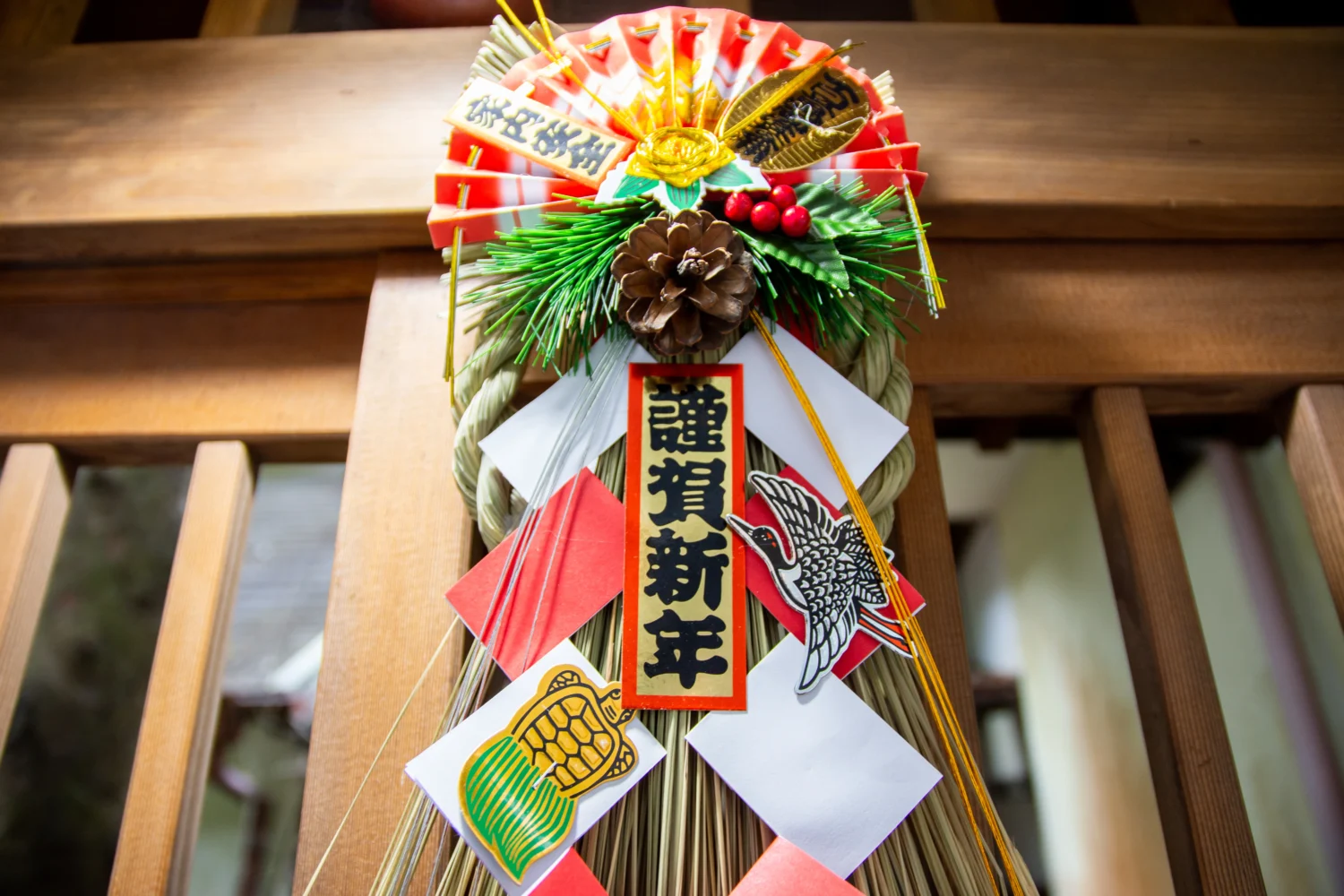
2. Kadomatsu & Shimekazari Decorations
Pine and bamboo arrangements ( kadomatsu ) are placed at entrances to welcome ancestral spirits. Rope decorations ( shimekazari ) ward off bad luck and invite blessings.
3. Osechi Ryōri (Osechi Cuisine) – Traditional New Year Foods
Prepared in beautiful lacquered boxes, these symbolic dishes represent health, happiness, and prosperity. You'll also find families enjoying ozōni , a hot soup with mochi.
4. Hatsumōde (First Shrine Visit of the Year)
Between January 1–3, families visit Shinto shrines or Buddhist temples to pray for health, luck, and success. It's common to see long lines at places like Futenma Shrine or Naminoue Shrine in Okinawa.
5. Nengajō (New Year's Greeting Cards)
Much like holiday cards, these are mailed out in late December and delivered precisely on January 1, thanks to Japan's punctual postal system.
Why It's Celebrated
The New Year is a time of quiet renewal, reconnection, and respect for ancestors and tradition. It's a calm, and reflective holiday that stands in contrast to the festive chaos of many Western New Years. Families gather, reflect on the past year, and set intentions for the one ahead.
A Message from AURA Housing
Whether this is your first New Year in Japan or you've experienced it before, we encourage you to embrace the beauty of Oshōgatsu . It's a truly magical time to witness the intersection of tradition and modern living that defines so much of life in Okinawa.
We look forward to continuing to serve you in 2026 with the same spirit of care and excellence. Until then, Happy New Year, or as we say in Japan, Happy New Year (Yoi otoshi o omukae kudasai) and Happy New Year (Akemashite omedetō gozaimasu)!